
Ice Scream 4: Rod's Factory
Keplerians Horror GamesAdventure
4.22.42K Reviews
- Version
- 1.3.274
- Installs
- 10.00M
- Age Rating
- Teen
Screenshots
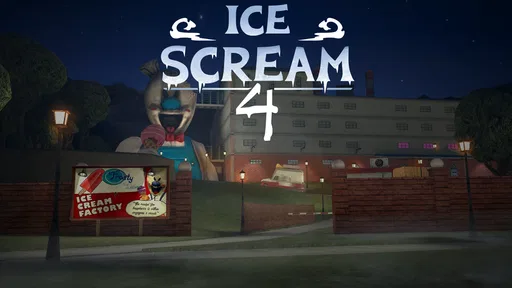


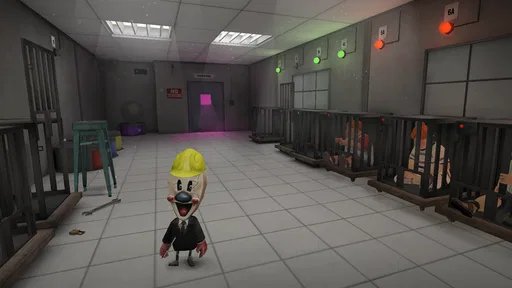
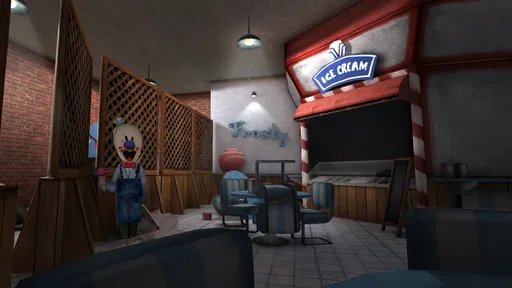



Our Review of Ice Scream 4: Rod's Factory
 Analysis by Appyee
Ice Scream 4: Rod's Factory is an adventure horror game that puts me inside Rod’s factory, where exploration, hiding, and puzzle solving matter more than combat. I played it as the kind of experience that works best in short, focused sessions: I look around, remember useful details, try to avoid danger, and accept that getting caught is part of learning the route. Keplerians Horror Games keeps the tone tense without turning the game into a purely reaction-based challenge.
The central appeal is easy to understand. I enter a hostile industrial setting, search for a way forward, and gradually piece together what is happening there. The factory gives the game a strong identity, while the horror comes from uncertainty: I do not always know whether I am safe, whether an object matters, or whether a familiar path has become dangerous. That makes the game more involving than a simple sequence of jump scares.
It is free to play, with optional in-app purchases priced from $1.49 to $2.99 per item. The game is rated Teen, so I would not treat it as a child-focused adventure despite its stylized presentation. On Android, it requires version 7.0 or later. Its current version is 1.3.274, and the game has reached over 10 million installs, with an average rating of 4.2 from around 151 thousand ratings. Those figures suggest a well-established audience, but they do not remove the need to decide whether its particular style of tension suits you.
How clearly the factory supports different ways of playing
I find the factory most interesting when I treat it as a place that can be approached in different ways: I can slow down to study rooms and routes, or move with more urgency when danger closes in. That flexibility gives the adventure room for both cautious explorers and players who enjoy tense decisions, though it does not make every style equally comfortable. The next section looks at how that choice plays out moment to moment and what it asks from me.
Readability and navigation during exploration
The most important accessibility question here is not whether the factory is visually impressive; it is whether I can understand what the game expects me to notice. In practice, the environment asks me to pay attention to rooms, routes, objects, and changes in danger. I found that progress depends less on moving quickly than on building a mental map. That is useful for players who enjoy careful observation, but it can feel demanding if visual scenes are difficult to scan.
I recommend beginning with a slow tour rather than immediately chasing objectives. I look at entrances, corners, shelves, doors, and possible hiding areas before attempting a risky action. This simple habit reduces the amount of visual information I need to process while under pressure. It also turns failed attempts into useful reconnaissance instead of pure repetition.
Navigation is clearest when I treat each area as a small problem. I first identify where I entered, then note the exits and objects that seem interactive. If I run directly from one distraction to another, I often lose track of where I am. Players who have difficulty with spatial memory may benefit from pausing mentally after each discovery and connecting it to a specific room or landmark.
The game’s visual horror style can work against readability. Dark, crowded, or threatening spaces naturally make details harder to distinguish, especially when I am also watching for Rod. This is an intentional part of the atmosphere, but it creates a real trade-off: the same visual uncertainty that makes the factory unsettling can make object recognition tiring.
I would therefore play with the screen positioned comfortably and avoid rushing through areas when the display is small. On a phone, a larger screen can make environmental scanning easier, while a tablet may offer a more relaxed view of the factory. That is not a special feature of the game, but it changes how demanding the same scene feels.
Motor and sensory considerations
The game’s main physical demand comes from combining movement, looking around, interaction, and escape decisions. A player who is comfortable with touch controls and quick camera adjustments will probably settle in faster. Someone with limited dexterity, hand fatigue, tremors, or difficulty coordinating several actions may find chase moments much more difficult than quiet puzzle sections.
One practical approach is to separate observation from movement whenever the game allows it. I stop in a safe place, inspect the surroundings, and decide what I want to do before moving. This reduces frantic input and gives me a better chance of making one deliberate action at a time. It also helps when the horror effects make me react too quickly.
Sensory sensitivity deserves equal attention. The game is built around suspense, pursuit, and surprise, so players who are sensitive to frightening imagery or sudden audio may find it stressful rather than entertaining. I would lower the device volume before starting and choose a setting where an unexpected sound will not disturb other people. Headphones can make the atmosphere stronger, but speakers at a moderate level are a better choice for anyone who needs more environmental awareness.
There is also a useful trade-off between immersion and comfort. Playing in a dark room can make the factory feel more convincing, yet it can increase eye strain and make the darker areas harder to read. I prefer some ambient light, especially during longer sessions. The game remains atmospheric without requiring me to sacrifice basic comfort.
Because this is an adventure game rather than a competitive online title, I can approach it at my own pace between danger sequences. That is a genuine advantage for players who need breaks or prefer learning through repetition. The limitation is that the threatening moments do not become fully relaxed just because the surrounding exploration is slower. A player who needs consistently low-pressure interaction may be happier with a calmer puzzle adventure.
Situational access in everyday play
I can imagine playing this after dinner with the lights on, using short sessions to explore one section of the factory and then stopping when concentration drops. That works well because the game rewards memory and observation, not only endurance. If I am tired, I avoid attempting a difficult escape and instead use the session to understand the layout. This makes the game more manageable than treating every launch as a race to finish.
It is less suitable for a crowded commute or a noisy waiting room. Horror depends on attention, and a notification, conversation, or poor connection to the surrounding environment can break the tension and make me miss an important cue. The game is also a poor choice when I need to remain alert to people nearby, because pursuit sequences encourage me to focus closely on the screen.
For shared spaces, I would keep the volume low and avoid playing if the Teen-rated horror could bother children nearby. The age guidance matters here: the cartoon-like presentation does not make the experience universally appropriate for younger players. I would also avoid handing it to someone who dislikes being chased or who may find repeated failure upsetting.
Short sessions are helpful for another reason: they let me manage cognitive load. I remember more when I focus on one objective and stop before frustration takes over. If I return after a break, I can spend the first minute retracing my last known route instead of immediately taking a risk. That small routine makes the game feel more accessible without changing its intended difficulty.
Where the remaining barriers appear
The biggest barrier is the need to interpret a visually busy environment while reacting to danger. If I cannot easily distinguish objects, doors, or changes in the scene, progress may become guesswork. The game’s suspense benefits from uncertainty, but players who need strong visual clarity may experience that uncertainty as an obstacle rather than a thrill.
Another barrier is the pressure created by pursuit. Even when I understand the solution, I still need to execute it while managing fear and movement. This favors players with quick reactions and comfortable touch control. It can be frustrating for someone who understands puzzles well but needs more time to complete physical actions.
Repeated attempts can also have different effects on different players. I enjoy using a failed run to learn where I went wrong, but another player may see the same loop as wasted effort. The game is more rewarding when I accept experimentation as part of the design. If I want a straightforward story that moves forward without retracing steps, this is probably not the right adventure.
Optional purchases may reduce friction for some players, but I would not choose the game on the assumption that spending will solve every difficulty. The core experience is still about learning the factory and handling danger. Players who prefer a completely purchase-free structure should examine the in-game flow for themselves before committing time, even though the game can be downloaded without an upfront price.
Device comfort is another overlooked issue. Touchscreen horror can become tiring when I hold the phone tightly during a chase. I get better results when the device is supported rather than gripped in midair. A stable posture, clean screen, and enough battery for an uninterrupted session make a noticeable difference to control and concentration.
Who will find it welcoming, and who should skip it
I would recommend this game to someone who likes first-person-style exploration, environmental puzzles, and horror that asks for patience. It is especially appealing if you enjoy learning a location through repeated visits. The factory is not just a backdrop; understanding its spaces is part of the challenge, and that gives each discovery more weight.
I would be more cautious recommending it to a player who wants gentle adventure gameplay, reliable visual clarity, or consistently predictable pacing. Someone who dislikes stealth-like pressure may prefer a puzzle game where the environment is dangerous only in a metaphorical sense. Likewise, players with significant difficulty using touch controls should try it only if they already know that this kind of movement feels comfortable.
Compared with a typical casual puzzle game, this experience adds fear, pursuit, and the possibility of losing progress in a run. Compared with a pure action horror game, it gives more importance to observation and route planning than to fighting. That middle ground is its strongest identity. It is not the best alternative for every adventure fan, but it offers a clear choice for people who want puzzles to feel risky.
Compared with a story-first horror title, it asks me to discover meaning through the environment and my own trial and error rather than simply follow a sequence of scenes. Compared with a competitive game, it is more personal and repeatable: I am improving my understanding of the factory, not competing against another player’s reaction time. Those differences help explain why the game can appeal to patient players while frustrating anyone looking for immediate, effortless progress.
My inclusive verdict after spending time inside the factory
The best way to make this game more approachable is to control the pace before the game controls it for you. I explore slowly, keep the volume comfortable, use a well-lit room, and treat each failed attempt as information. These habits do not remove the horror, but they reduce avoidable strain and make the design easier to appreciate.
Keplerians Horror Games has made an adventure that understands the appeal of a threatening place with secrets to uncover. I like that the factory rewards memory and caution, and I appreciate that short sessions can still feel productive. The same qualities create its accessibility limits: dark visual spaces, stressful escapes, and touch-based movement can be demanding for players with sensory or motor needs.
For me, the game succeeds when I want focused horror on a mobile device and have enough quiet time to pay attention. I would skip it when I need a calm, highly readable, low-pressure experience. Its Teen rating, free entry point, and established audience make it easy to try, while the optional purchases from $1.49 to $2.99 per item give players another factor to consider. Overall, I recommend it to patient adventure fans who enjoy learning through tension, but I would present it honestly: the factory is inviting only if its darkness, pursuit, and repeated experimentation fit the way you play.
Verdict
Strengths of Ice Scream 4: Rod's Factory
- Clever puzzles reward careful exploration and experimentation.
- Multiple playable characters add variety to the escape gameplay.
- Factory environments are detailed, eerie, and fun to investigate.
- Checkpoints make repeated attempts less frustrating.
- Several difficulty options suit both beginners and horror fans.
Limitations of Ice Scream 4: Rod's Factory
- Some puzzles can feel unclear without trying random interactions.
- The chase sequences may become repetitive after several attempts.
- Ads can interrupt the experience in the free version.
- Certain areas require precise timing to avoid enemies.
- The horror relies more on suspense than genuinely scary moments.
Other Releases by Keplerians Horror Games
View All
Ice Scream 8: Final Chapter
Arcade4.6

Ice Scream 5 Friends: Mike
Adventure4.1
Similar Picks in This Category
View All
Roblox
Roblox Corporation4.2

Pokémon GO
Niantic, Inc.3.5

Ninja warrior: legend of adven
TOH Games4.6

Ninja Arashi
Black Panther4.6

Eyes - The Horror Game
Fearless Games sp. j.4.5

Critical Action:Gun Strike Ops
FPS Shooter & Action Game4.3
Frequently Asked Questions
What is Ice Scream 4: Rod’s Factory about?
Ice Scream 4: Rod’s Factory is a first-person horror adventure game in which you try to escape Rod’s factory and rescue your friends. You explore different areas, solve environmental puzzles, collect useful objects, and avoid the evil ice-cream vendor and his minions. The game combines stealth, exploration, and light action rather than relying only on jump scares.
Is Ice Scream 4: Rod’s Factory suitable for children?
Although the game uses cartoon-style graphics, it is still designed as a horror experience. It includes chase sequences, threatening enemies, suspenseful sounds, dark environments, and scenes that may frighten younger players. Parents should consider the child’s sensitivity to scary content before downloading it. Checking the age rating and the game’s store description is also recommended, as ratings can vary by platform and region.
Does the game require an internet connection to play?
Ice Scream 4: Rod’s Factory is primarily a single-player experience, so its main gameplay does not depend on online multiplayer or constant communication with other players. However, an internet connection may be needed to download the game, receive updates, display optional advertisements, or complete certain store-related actions. For the smoothest offline experience, install and open the game once while connected.
Are there different difficulty levels in Ice Scream 4: Rod’s Factory?
The game offers difficulty options intended for different types of players, allowing newcomers to learn the factory’s layout and mechanics with less pressure while experienced horror fans can choose a more demanding challenge. Higher difficulty generally makes enemies more alert and escape attempts less forgiving. Trying an easier mode first can help you understand item locations, hiding places, and puzzle logic.
Does Ice Scream 4: Rod’s Factory contain ads or in-app purchases?
The mobile version may include advertising and optional purchases, depending on the platform, region, and current release version. Ads can sometimes appear between attempts or when using optional assistance, while purchases may provide convenience or remove certain interruptions. Before downloading, review the official Google Play or App Store listing for the latest information about pricing, permissions, advertisements, and available in-app purchase options.
Play our best games!


